|
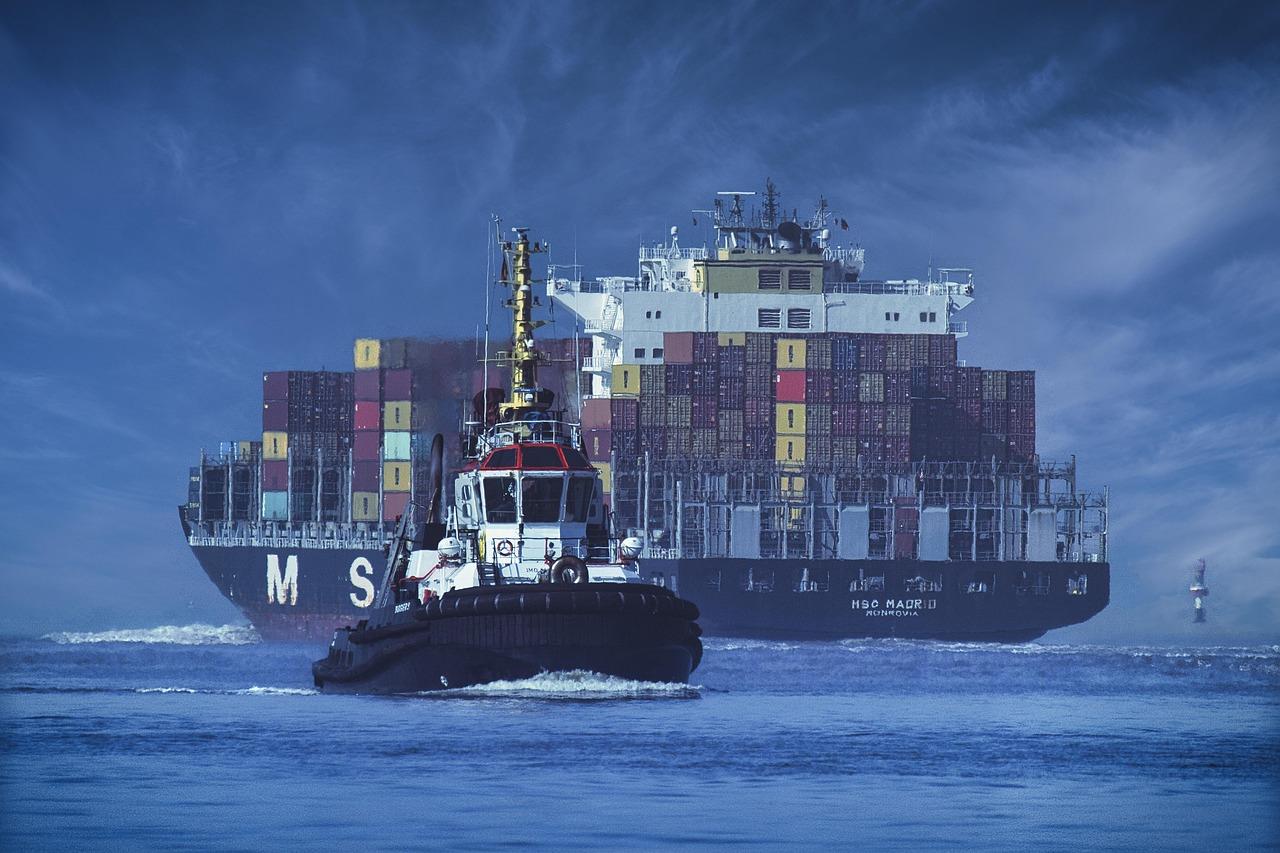
Reliable port infrastructure and well-planned multimodal routing are becoming decisive factors in the growth of steel export to Morocco. As Moroccan ports expand their handling capacity, exporters need logistics partners who understand both the physical constraints of steel cargo and the administrative steps required to move it across borders smoothly. An international forwarder brings this combined expertise, coordinating everything from vessel booking to inland transport once the shipment reaches Moroccan soil. Because steel export to Morocco often involves heavy or oversized loads, careful planning prevents costly delays. Businesses working closely with an international forwarder are better placed to match production schedules with shipping capacity, keeping steel export to Morocco predictable as port traffic increases. Multimodal Routing Behind Steel Export to MoroccoMultimodal transport, combining sea freight with rail or road links, is increasingly used to optimize the final leg of steel export to Morocco once cargo clears the port. An international forwarder evaluates which combination of transport modes offers the best balance of speed, cost, and reliability for a given shipment, adjusting the route as conditions change. This flexibility matters particularly during peak demand periods, when congestion at major terminals can otherwise slow down steel export to Morocco considerably. LG Global Forwarding, for instance, supports exporters by monitoring capacity across multiple routes and shifting cargo accordingly, so that delivery commitments are met without unnecessary risk. For a closer look at how these routing decisions are made in practice, lggf.be outlines the broader logistics approach behind ongoing shipments. As infrastructure investment continues, the value of a forwarder able to navigate these evolving networks only grows. Planning Ahead for Reliable Steel Export to MoroccoExporters who plan their logistics around infrastructure realities, rather than reacting to disruptions as they occur, consistently see smoother outcomes in steel export to Morocco. Working with a knowledgeable partner from the earliest planning stages allows a company to anticipate seasonal bottlenecks and build in the necessary buffer time. This proactive approach reduces the likelihood of last-minute rerouting, which can significantly raise costs and jeopardize delivery windows. Businesses that want to safeguard their supply chains against these pressures gain real value from a structured logistics strategy built around dependable infrastructure knowledge. To explore how tailored routing and port expertise can strengthen your position in steel export to Morocco, visit the company’s website and get in touch with the team for further details. |